

cement
Hello again weekly blog readers!
This week we are talking about cement, that’s right cement! I can promise this won’t be a boring blog, but instead an enlightening one which will enrich your brain and life. Come sit and let’s learn about the humble beginnings of cement.
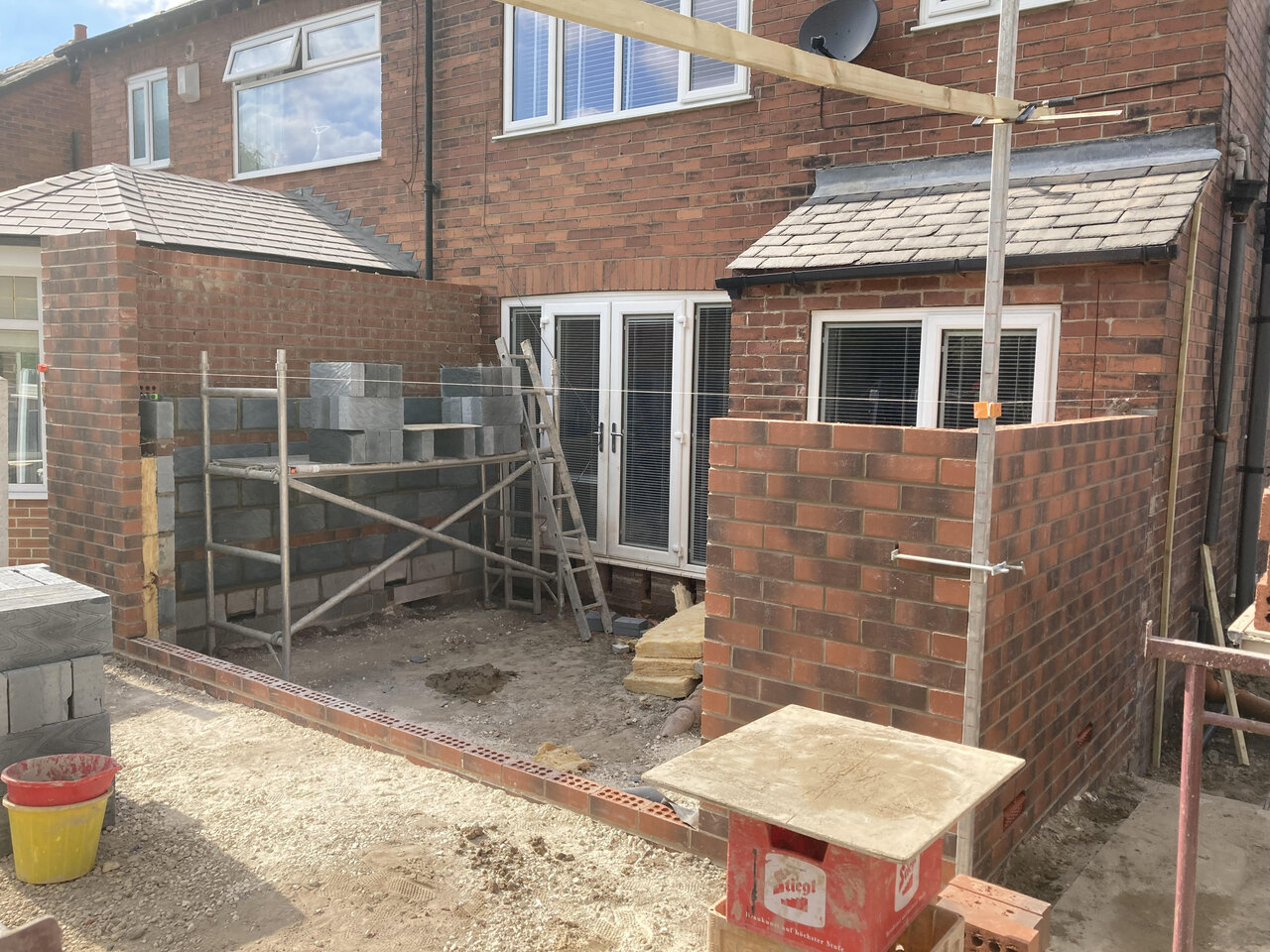
Cement is used in the building trade for numerous jobs but the main two are in mortar, which is used between the bricks don’t you know, and in the ground in the form of concrete. When houses were constructed in the UK between the 18th and 19th century, lime mortar was the sticky brown sludge of choice. This was made of quick-lime and sand, two simple yet irrepressible ingredients. It was mixed and walled by the builders and was a great product for a long time and is still used in restoration projects around the country.
Lime mortar is a great building product, however cement is far superior! It would become the main product used in the building trade as a key ingredient of walling mortar.
William Aspdin is credited as the inventor of our modern Portland cement, the main cement used world wide. Believe it or not, dear reader, he was a bricklayer from Leeds! He had worked as a builder and for his Father’s company, where he first had the idea to create his cement to replace quick-lime. Limestone is an ingredient shared by both of these reagents, but burning the limestone at a higher temperature was all that was needed in order to achieve the holy grail of cement products. Aspdin hadn’t had any training in chemistry, and his innovations were likely the result of good luck, after trying different things.
The cement we use today cures at a much faster rate than the old lime and sand mixes used in the days of old. A consequence of that is you can build say between ten and twenty courses of brickwork and don’t run the risk of the weight of the wall squishing each course down and squeezing the mortar out from between the joints; something that happened often with the old style mortar when the builders tried to do too much. In fact, the old style mortar could take three days to properly cure and set hard!
Well, there you have it. We hope this blog post truly did enriched your mind on this hot Thursday summer night.
Until next time, blog fans!


